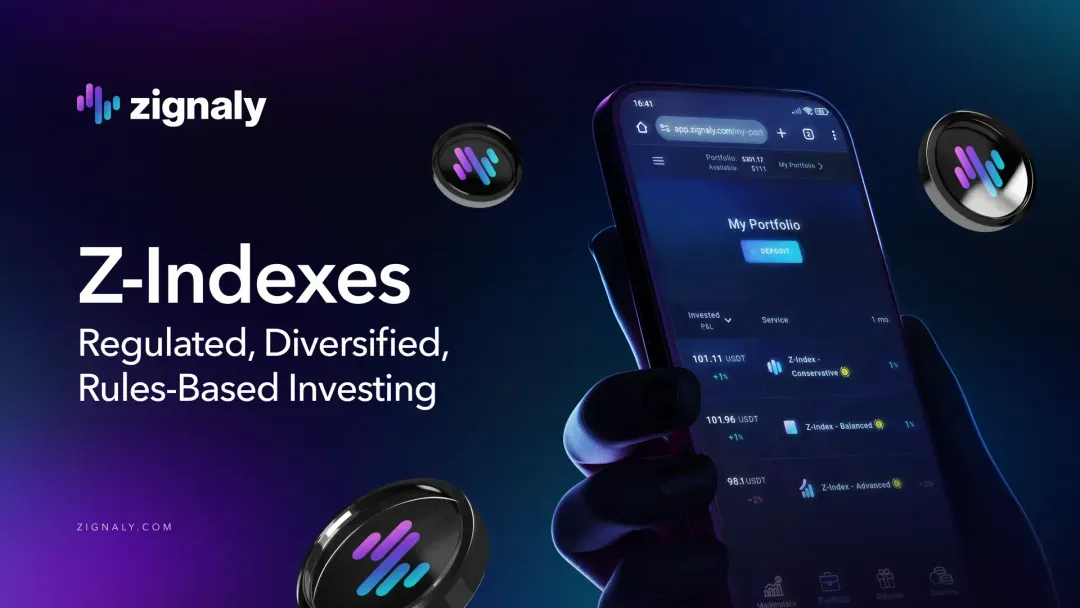

Z-Indexes are designed for investors who want a rules-based, diversified portfolio without active trading or constant decision-making.
This page explains how to use Z-Indexes correctly in practice, from your first allocation to ongoing portfolio reviews, using simple principles that align with how the indexes are built.
If you already understand what Z-Indexes are, the focus here is not definitions.
It's about using them the right way in a real portfolio, with realistic expectations and minimal intervention.
Z-Indexes are not trading products, signals, or short-term strategies. They are structured portfolios designed to be held, monitored periodically, and evaluated over time.
In practice, this means:
Short-term drawdowns, flat periods, and recovery phases are a normal part of diversified investing. Z-Indexes are built to manage these dynamics through predefined rules, not through discretionary intervention.
For most investors, the goal is not to optimize every move, but to stay consistent and avoid behavioral mistakes.
The guides below address the most common, practical questions investors have once they decide to use Z-Indexes in their portfolio.
Each article focuses on how to apply Z-Indexes responsibly, without giving personalized financial advice or encouraging active management.
Together, these resources form a practical usage framework, helping investors set expectations, reduce overreaction, and use Z-Indexes as intended.
Explore rules-based diversified Z-Indexes that bridge traditional and tokenized assets with automated rebalancing and clear methodology. Capital at risk; availability varies by jurisdiction.
At Zignaly, the goal isn't to replace people but to give them a structure they can trust, so their portfolio keeps working even when they're not watching.